
Renting4 min read
How to prepare an apartment for renting out
Author: The IM-Development team
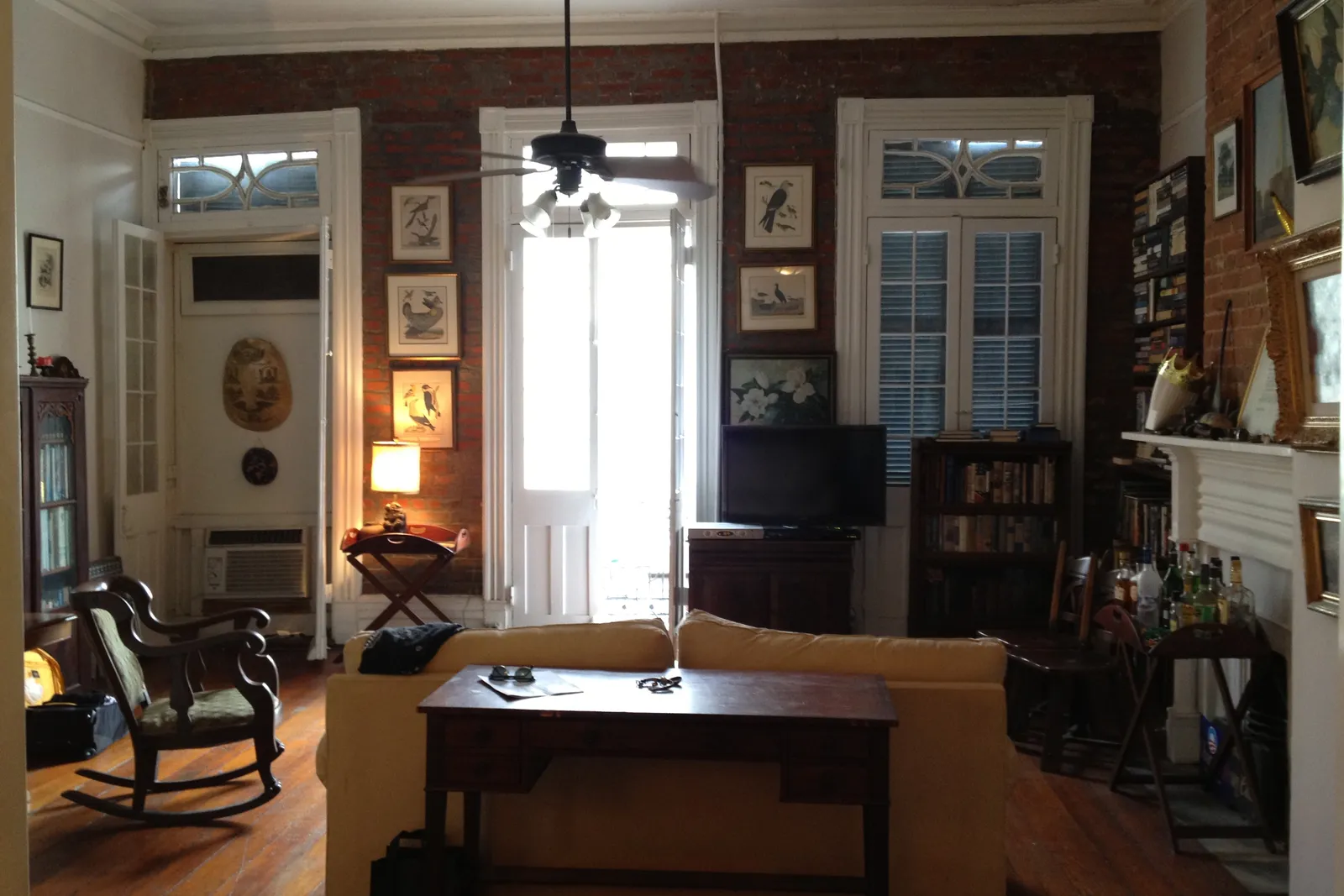
A rental-ready apartment needs to withstand everyday use by people who do not own it, have a clear inventory of its contents, and photos that show its real condition. These three things reduce later disputes and shorten the time to find a tenant.
Finishes that hold up
A rental property has different priorities from an owner-occupied home: durability and easy maintenance rather than personal taste. Light but practical wall colours, flooring that cleans easily (laminate with a good wear rating, or tiles in wet rooms), and decent-quality fittings reduce how often small repairs are needed between tenants.
Avoid expensive or fragile choices — delicate textured wallpaper, soft-surface flooring, light fixtures with many parts to replace. A mid-priced but durable option usually pays off better than either the cheapest or the most luxurious. The same applies to kitchen appliances: a more expensive but more durable cooker or fridge means fewer emergency repairs during a tenancy, when the owner does not have daily access to the property.
- Walls in a neutral, easily refreshed colour
- High-wear flooring in common areas
- Good-quality door and window handles and hinges
- Sound window seals against leaks and damp
What differs by property type
Preparation is not the same for every property. A small studio near an educational institution needs tougher, easy-clean surfaces and fewer decorative elements, because occupants change more often and wear is higher. A family apartment for a longer tenancy allows more attention to comfort — for example a fully equipped kitchen and enough storage space — because the tenant stays longer and typically takes better care of the property.
A fully furnished property also needs a more detailed inventory, because there are more items to document. An unfurnished property reduces the risk of disputes over furniture, but may narrow the pool of potential tenants if local demand is mostly for move-in-ready homes.
Working order before the first viewing
Before listing the property, check the boiler, air conditioning, sockets and switches, the toilet cistern and the window seals. A small fault discovered by a tenant in the first week creates a poor first impression and often raises the expectation of an immediate response from the owner. It is useful to draw up a short checklist and run through it at every change of tenant, not only before the property is first let.
Inventory of contents
A written inventory is the basis for a calm relationship with the tenant and for clear handling of the deposit at move-out — covered in detail in the deposit and handover protocol. It lists every significant item, appliance and piece of furniture, with a brief note of its condition on the move-in date.
- Appliances: make, model, any visible defects
- Furniture and textiles: quantity, condition of upholstery
- Keys and remotes: number of copies handed over
- Meters: electricity and water readings at move-in
As a hypothetical example, suppose preparing a two-room apartment for rent includes replacing the seals on three windows for €90, repainting the walls for €250, and a professional clean before viewings for €60 — €400 in total. At a rent of €500 a month (a 30-day month), that works out to about €16.67 a day. If the preparation shortens the vacancy period by 14 to 21 days, the rent saved is roughly €233–350. On a purely arithmetic basis, the €400 spend breaks even against about 24 days of avoided vacancy, before any other costs are considered — there is no guaranteed payback.
Photos that show the real condition
Listing photos and record-keeping photos serve different purposes. For the listing — daylight, tidy rooms, wide shots from an angle that shows the room's proportions. For the move-in record — clear, dated photos of every room, appliance and any existing defect, so there is no dispute later over who caused it.
Keep these photos together with the move-in protocol — they serve as practical evidence if a disagreement arises when the tenant moves out. It is good practice to take the photos on the day the keys are handed over rather than in advance, since the condition of the rooms can change in the meantime.
Next step
If preparation takes more time or effort than you have available, it is worth considering whether to delegate the management of the property to someone who knows the process from viewing through to signing the contract.
Need help preparing a rental?
Share the property's condition and location and we will discuss what is worth doing before the first viewing.
Related articles

Renting4 min read
How to choose a tenant with clear, consistent criteria
Ability to pay, references and lawful handling of personal data — criteria set in advance and applied equally to everyone.
Renting3 min read
Deposit and handover protocol for a rental
The deposit is a contractual matter between the parties — what to agree in advance to avoid a dispute at move-out.
Renting4 min read
Rental property management: when it is worth delegating
When self-managing a rental starts to cost more than the time it saves — and what delegating it actually involves.