
Selling3 min read
Preparing a property for sale: what is worth improving
Author: The IM-Development team
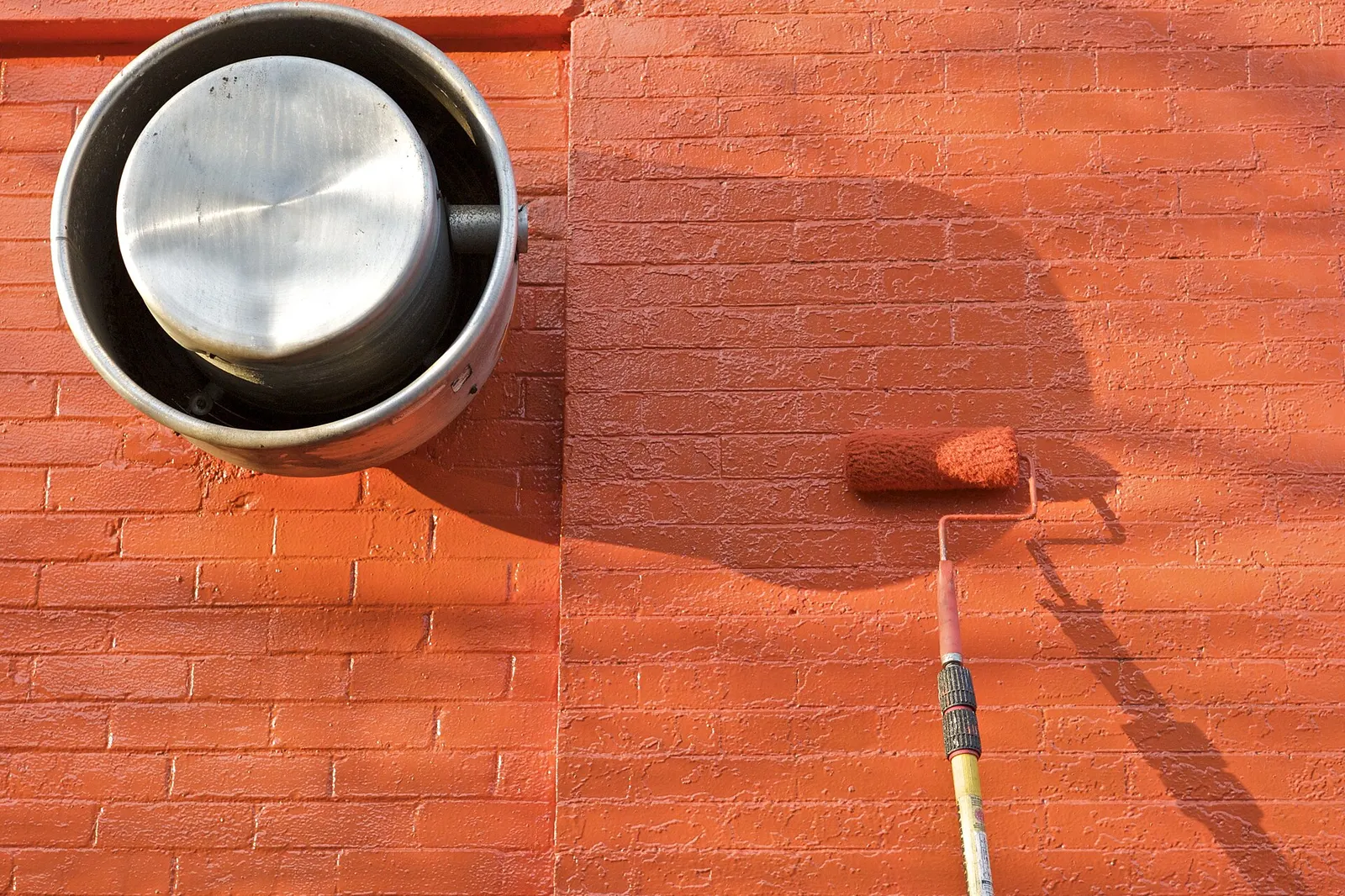
Before selling, it usually pays to prioritise cheap, visible improvements with a quick effect on first impressions rather than expensive major renovations with uncertain returns. Priorities differ depending on whether it is an apartment, a house or a plot.
Apartment: first impressions and small repairs
For an apartment, the things that usually pay off most are small, visible ones: deep cleaning, a fresh coat of paint in neutral tones, fixing a dripping tap or a creaking door, decluttering and depersonalising the space. Buyers find it hard to picture their own life in a cluttered or neglected space.
A full kitchen or bathroom renovation rarely pays for itself in full in the price, unless their current condition genuinely puts buyers off during viewings. It is usually more sensible to invest in upkeep than in a full refurbishment right before a sale.
- Deep cleaning and a fresh coat of paint
- Fixing small defects — leaks, handles, sockets
- Clearing personal items and excess furniture
- Checking lighting in every room
House: exterior and functionality
For a house, the exterior matters more than for an apartment — garden, facade, roof, fence. A neglected yard raises doubts about the overall upkeep of the property, even if everything inside is fine. It is worth checking that installations work properly, since house buyers typically ask more technical questions.
As a hypothetical example: an owner invests €800 in refreshing the facade and tidying the garden before selling a house, to improve the first impression — the actual return depends entirely on the property and the market and cannot be guaranteed in advance.
Plot: access, boundaries and documentation
For a plot, 'improvement' rarely means physical work — clearing access, clearly marking boundaries and having up-to-date documentation matter more. A land buyer finds it hard to judge the value of a plot that is overgrown or difficult to walk through.
Preparation here is mostly administrative: an up-to-date sketch, clarity on the status of the property and, where relevant, information on nearby utilities.
If access runs via a shared road or easement, it is worth the owner checking in advance that the access documentation is in order, since uncertainty on this point often stalls a deal at the last moment, regardless of how well-kept the plot itself is.
Common mistakes in preparation
A frequent mistake is investing in an expensive renovation reflecting personal taste that does not match what a typical buyer in the area expects — for example costly designer finishes in a segment where buyers mainly look for functionality at a reasonable price.
Another common mistake is preparing only the interior while the building's common areas or the yard remain neglected, which contradicts the impression created by the apartment or house itself. A third mistake is leaving preparation until the last moment, which leaves no time to react if viewings reveal the need for an additional repair.
Shared funding for preparation
In individual cases, IM-Development may discuss joint participation or funding part of the preparation of a property before sale — this is considered case by case and is never an automatically approved condition. If this is of interest, it is best discussed specifically when you enquire.
Next step
Look at the property honestly through a buyer's eyes and prioritise cheap, quick improvements over expensive ones. After preparation, read about a realistic price and the documents needed for a sale, so you are ready for the whole process. For specific advice you can also look at our services.
Want advice on what to prepare before selling?
Tell us about the property and its condition — we can discuss which improvements are genuinely worth it in your case.
Related articles
Selling4 min read
How to set a realistic price for an apartment in Sofia
A realistic price comes from comparing against properties that actually sold, not from a wished-for figure. Here is how to build it step by step.
Selling4 min read
Why your property is not selling: price, presentation or terms
When a property is not selling, the cause is usually visible at one of the stages: views, inquiries, viewings or offers. Here is how to locate it.
Selling4 min read
Documents for selling a property: a starting checklist
This is a starting point, not an exhaustive list for every case — the exact documents depend on the type of transaction.