
Investment3 min read
Apartment, house or land: comparing three different investments
Author: The IM-Development team
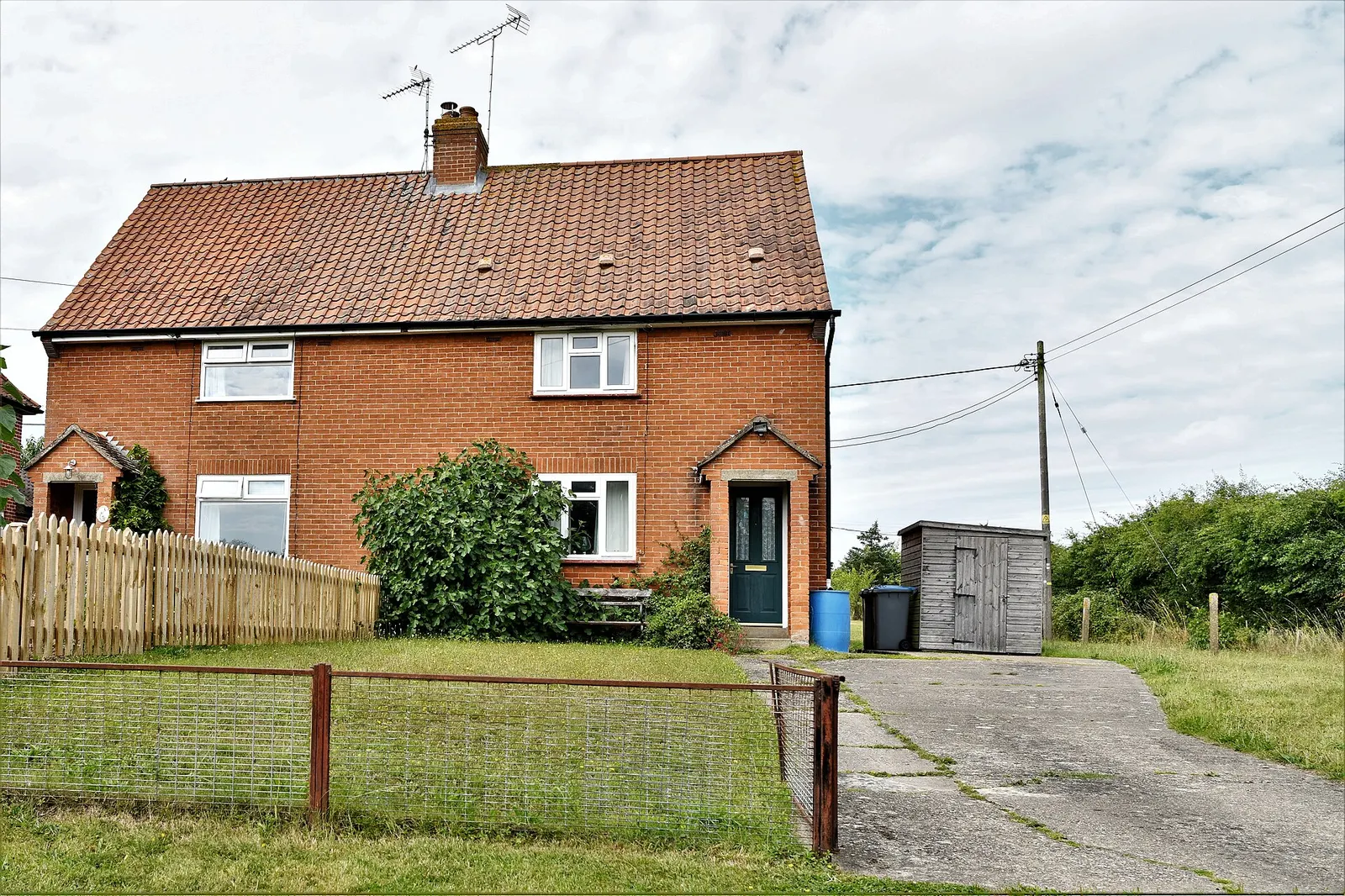
An apartment, a house and a plot of land are not interchangeable — they differ in liquidity, risk, required involvement and time to realisation. There is no universal ‘best’ choice, only a fit between the asset and a specific goal. This article is not personal investment advice, but a framework for comparing asset types on common criteria.
Shared criteria for comparison
Before comparing prices, it helps to rank assets on the same measures: how quickly each could be sold if needed (liquidity), the risk of prolonged vacancy or value decline, the horizon an investment needs to ‘mature’, and how much ongoing involvement maintenance requires.
- Liquidity — how many buyers genuinely look for this exact asset type in the area
- Risk — dependence on a single tenant, a change in the land's status, or building condition
- Horizon — months, years or a decade to expected realisation
- Involvement — running costs, administration, and the need for ongoing decisions
Apartment: more predictable, more location-dependent
An apartment in a built-up area is usually the more liquid asset — it has a wider pool of potential buyers and tenants, and its price forms in a relatively active market. The risk is concentrated in the specific building, floor, aspect and neighbourhood, as well as any need for ongoing repairs. The horizon can be short (resale) or long (long-term rental).
Ongoing involvement includes common-area maintenance fees, communicating with tenants when letting, and periodic repair decisions. A separate article looks at how to assess rental yield after costs.
House: more space, a narrower pool of buyers
A house is usually less liquid than a comparably priced apartment — the buyer pool is narrower and a sale takes longer. In exchange it offers more control over the property (garden, extension, splitting into parts) and weaker dependence on shared areas with third parties. The risk relates to the building's age, roof, installations, and any need for major works.
Hypothetical example: if a house is bought for €150,000 and a further €20,000 is spent on a roof and bathroom renovation, a later sale needs to cover these €170,000 plus transaction costs before any genuine profit can be claimed — without even counting the personal time spent overseeing the works.
Land: low running cost, high timing uncertainty
A plot usually needs the least ongoing maintenance but is the least liquid of the three — buyers are fewer, and value depends heavily on status (regulated UPI versus agricultural land), access and infrastructure. The horizon is often the longest and most uncertain, since it depends on administrative processes outside the owner's control. Checks before buying a plot are covered in a separate article.
A hypothetical comparison by scenario
| Apartment | Higher liquidity, lower ongoing risk, moderate rental yield |
|---|---|
| House | Lower liquidity, higher upside from renovation, more personal involvement |
| Land | Lowest liquidity, lowest running cost, longest and most uncertain horizon |
The figures here illustrate the logic only, not a forecast — actual values depend on the specific property, area and timing.
How to approach the choice
It helps to start from the goal — short-term resale, long-term rental income, or long-term capital holding — and only then compare specific properties against the criteria above. Looking at diversification across asset types also helps avoid relying on a single scenario. This material does not replace financial or investment advice tailored to your situation.
Weighing up different property investment types?
If you are comparing an apartment, a house or a plot for a specific purpose, we can offer a practical view on location and condition.
Related articles
Investment3 min read
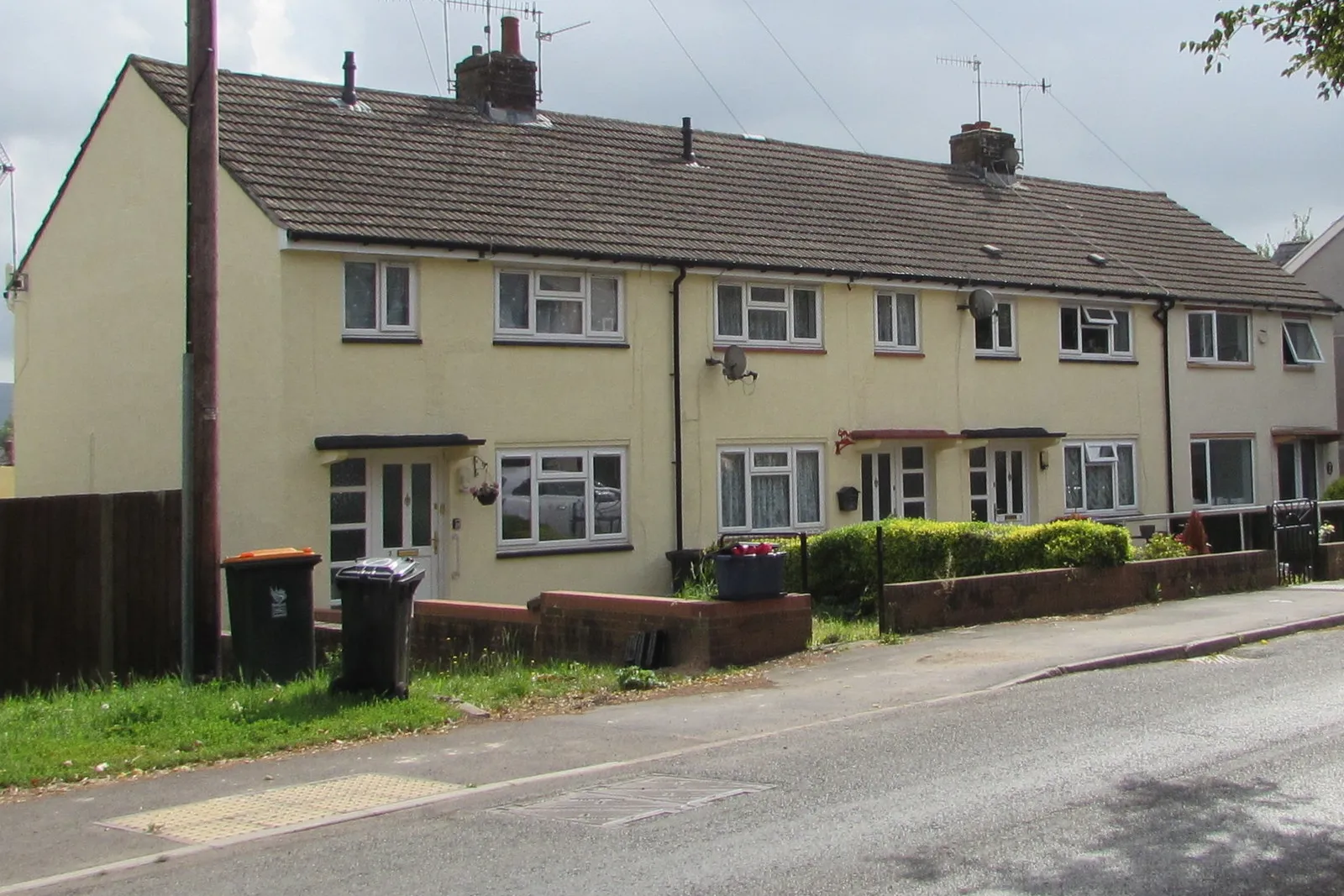
What real estate diversification means in practice
Genuine property diversification runs through location, use type and tenants — not simply the number of assets owned.
Investment3 min read
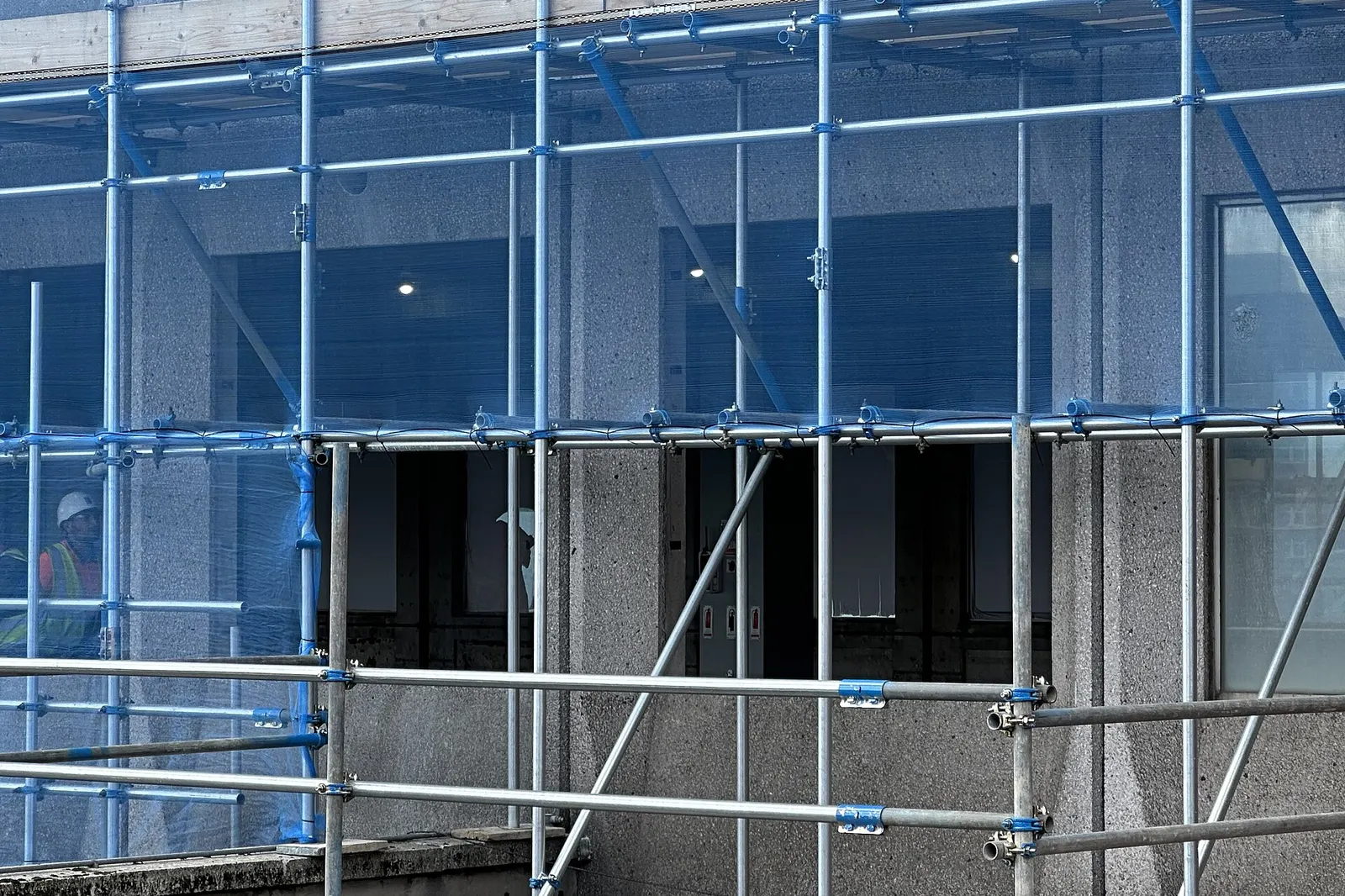
How to assess a property's potential for improvement
Assessing improvement potential needs a full calculation — price, works, duration, selling costs and a reserve, not just a target sale price.
Investment3 min read
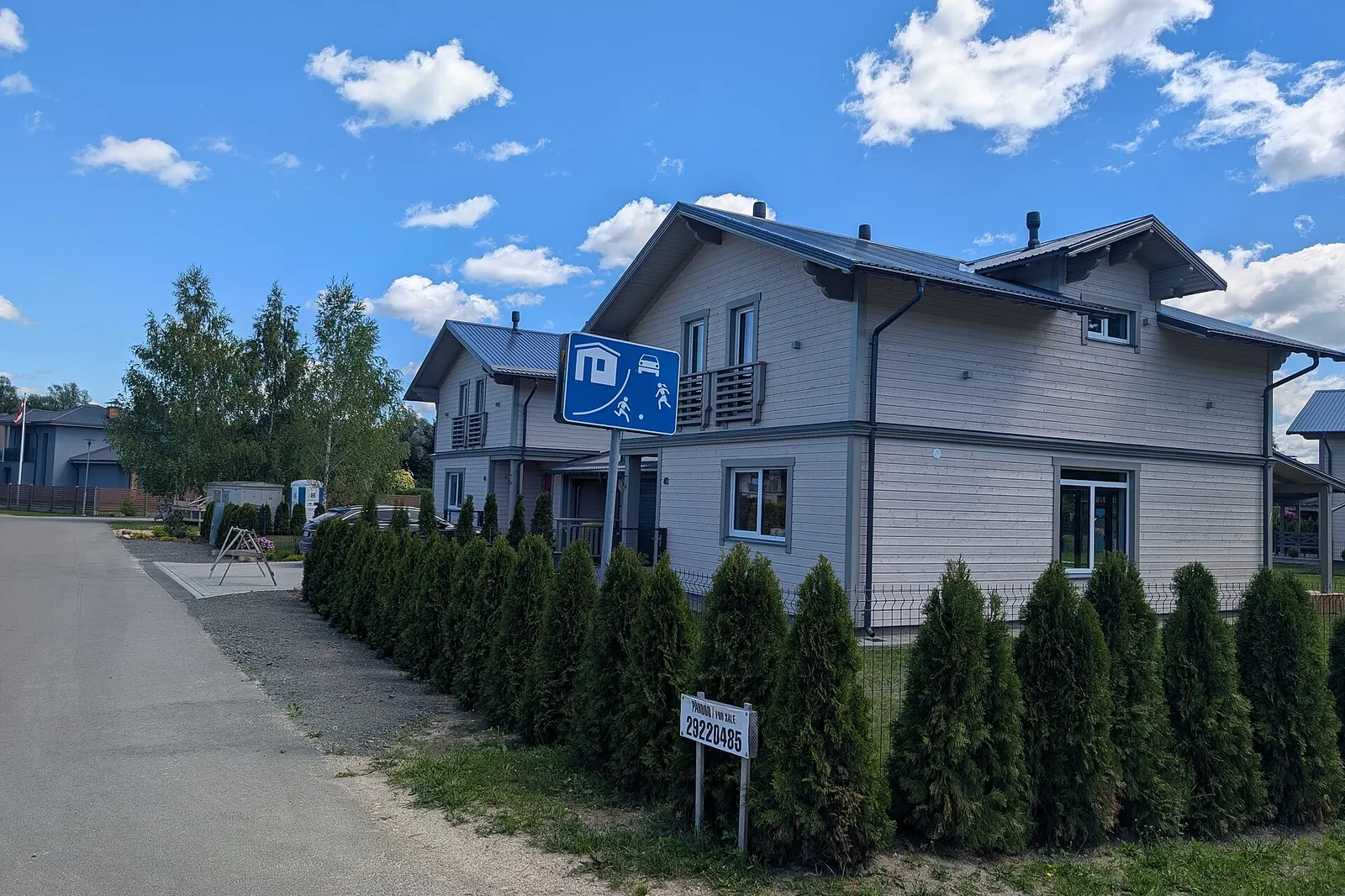
Sell or rent: how to compare the two decisions
The choice between selling and letting depends on cash needs, horizon, risk and real workload, not just rent versus price.