
Investment3 min read
How to assess a property's potential for improvement
Author: The IM-Development team
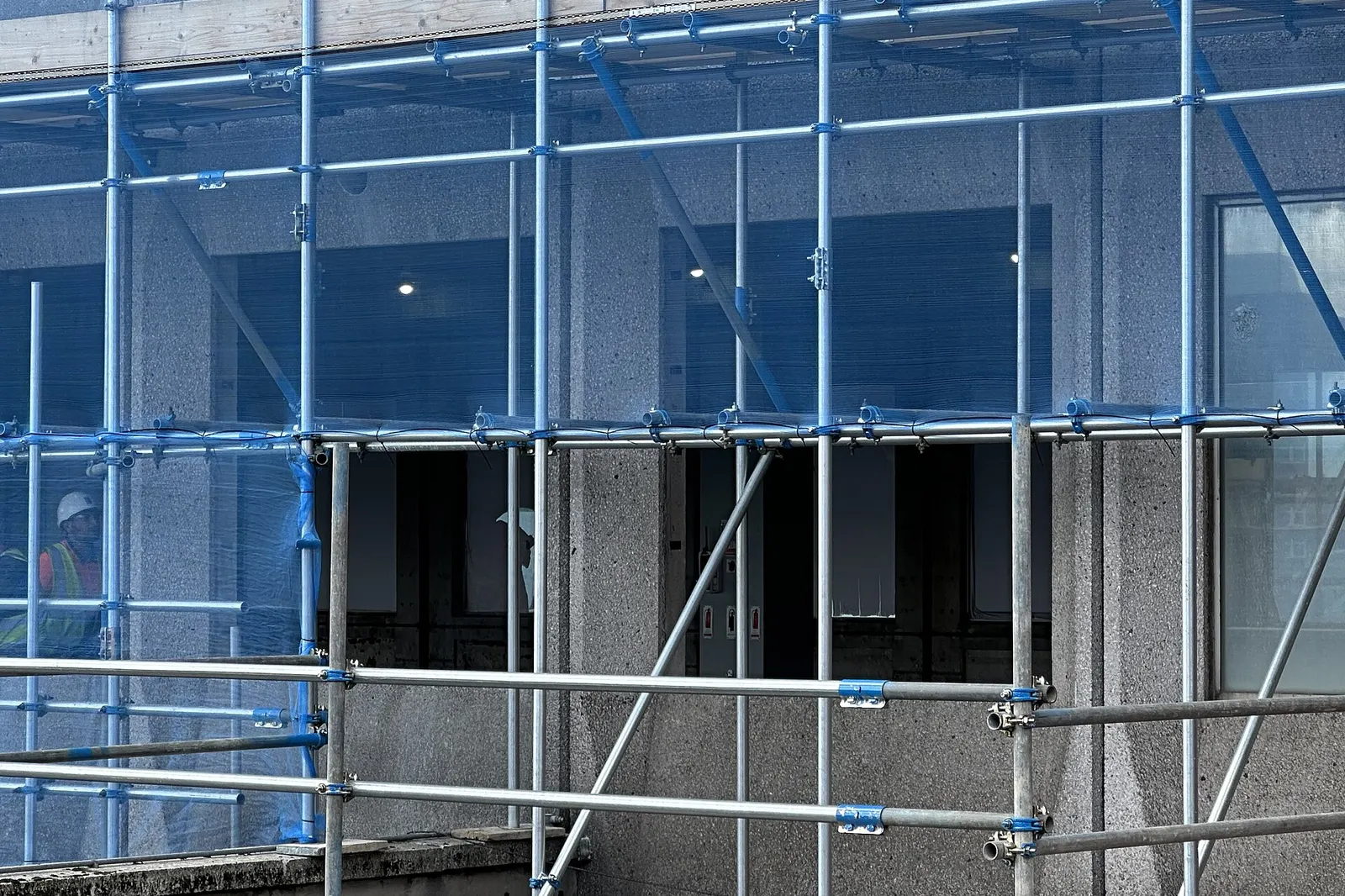
Assessing a property's potential for improvement requires a full calculation, not just the gap between an expected sale price and the acquisition price. It needs to include renovation costs, the time capital is tied up, the costs of the eventual sale, and a reserve for unforeseen circumstances. The examples below are entirely hypothetical and do not represent a market valuation.
The elements of the full calculation
A full calculation for improvement potential includes five groups: acquisition price (property plus transaction costs), renovation costs, project duration, costs of the subsequent sale, and a contingency reserve. Omitting any one of these groups usually leads to underestimating the real cost of the project.
- Acquisition price — property price plus notarial and other transaction costs
- Renovation costs — materials, labour, design, any permits
- Duration — time to completion plus time to sale
- Selling costs — commission, sale tax, preparation for viewings
- Reserve — typically on top of the initial renovation estimate
A hypothetical worked example
As a hypothetical example, suppose a flat is bought for €100,000, with transaction costs of €3,000. Planned renovation is estimated at €25,000, with a 15% contingency reserve set aside — a further €3,750. Expected renovation duration is six months, during which the capital earns no income.
| Acquisition price | €100,000 |
|---|---|
| Purchase transaction costs | €3,000 |
| Planned renovation | €25,000 |
| Contingency reserve (15%) | €3,750 |
| Total capital committed | €131,750 |
| Selling costs (hypothetical) | €4,000 |
| Sale price needed to break even | €135,750 |
With these hypothetical figures, €135,750 is the break-even threshold — the amount above which the hypothetical sale price covers the capital committed and the selling costs. This is not net profit: it excludes the cost of any financing (loan interest), the value of the time the capital was tied up for, and the tax due on the sale.
Why duration has a cost
Six months of tied-up capital means a missed opportunity for it to earn income elsewhere — for instance through letting another property or another investment. Extending the timeline due to contractor delays or administrative procedures increases this hidden cost, even if the renovation budget itself is not exceeded. A realistic estimate of duration matters as much as the budget.
Why the contingency reserve is not a formality
In older buildings, hidden problems — wiring, plumbing, structure, damp — can be found only after works begin. The hypothetical example above sets aside a 15% reserve; a reasonable range for such a reserve is roughly 10–20% above the initial estimate, but this is a starting point for judgement, not an established market standard. Talking to an architect or engineer before finalising the budget reduces, but does not eliminate, this uncertainty.
Comparing with the alternative of not improving
The full renovation calculation is worth comparing against the alternative of selling the property as-is, or letting it without renovation — an option covered in detail in the article on selling or renting. Sometimes a lower but more predictable price without renovation gives a better outcome than an uncertain, longer project, with no guarantee of a successful sale at a higher price.
Before you decide
It helps to prepare the full calculation first, with a realistic reserve and duration, and then compare it against at least one alternative — selling as-is or letting without works. If the project involves a partner, it is worth also reviewing the questions to settle before a shared project. This article does not replace a specific assessment from a specialist for your property.
Considering a renovation for resale or letting?
We can help with a practical property assessment and a realistic calculation of costs and timelines before you decide.
Related articles
Investment3 min read
Apartment, house or land: comparing three different investments
Apartments, houses and plots carry different risk, liquidity and timelines. Comparing them needs shared criteria, not just price.
Investment3 min read
Joint property investment: questions to settle before a shared project
A joint property project with a partner needs clear written terms on contributions, ownership, tasks and exit — before it starts.
Investment3 min read
Sell or rent: how to compare the two decisions
The choice between selling and letting depends on cash needs, horizon, risk and real workload, not just rent versus price.