
Buying3 min read
Viewing a flat: a practical checklist for buyers
Author: The IM-Development team
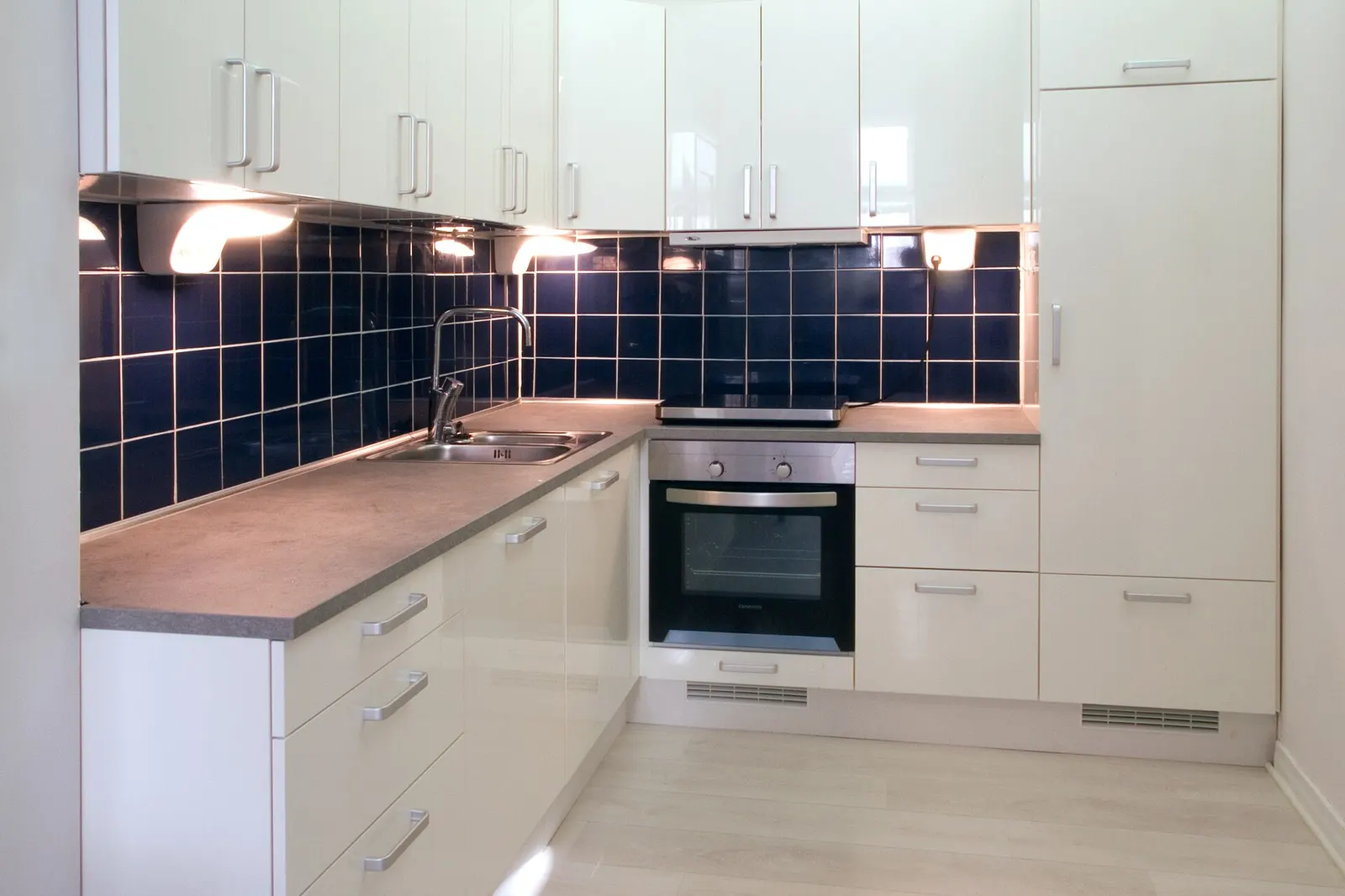
A good viewing is not a quick impression but a systematic check of specific things — damp, installations, noise, layout and common parts. Spend at least 30–40 minutes per property, and if you are on the fence, visit at a different time of day if possible.
Damp and visible defects
Darkened patches around windows, ceiling corners and skirting boards often indicate a damp problem or poor waterproofing, even when freshly painted. Look behind furniture or curtains where possible — that is exactly where defects are easiest to hide. A musty smell is a reason to ask a direct question, even if the room looks fine.
- Stains or darkening on ceilings, particularly in the bathroom and kitchen.
- Cracks in walls around doors and windows.
- Condition of grouting and sealant around sanitary fittings.
- A damp or musty smell on entering.
As a hypothetical example: a top-floor flat has slight darkening in a bedroom ceiling corner, hidden behind a wardrobe. Just because the mark is small does not mean it is unimportant — on a top floor this often points to a roof or terrace waterproofing issue above it, rather than to localised damp.
Electrical and plumbing installations
Test a few sockets and switches on site, run the hot and cold taps and check the pressure. Ask when the installations were last substantially renovated — in older buildings this often matters more than the fittings themselves. If you suspect dated wiring, it is sensible to bring in an electrician before committing.
Noise, light and orientation
Noise levels depend heavily on the time and day — a street that seems quiet on a weekday morning can be quite different in the evening or on a Saturday. If you can, visit the property again at a different time. Also check how the windows face relative to the sun, which directly affects natural light and heating and cooling costs through the year.
Open a window for a few minutes and compare the outside noise level with it closed and open — the difference shows how well the frames actually insulate from the street, not just how they look.
Layout and functionality
Think about how you will actually use the space, not just how it looks on paper. Narrow corridors, lack of storage or awkward access to the bathroom from the living room are details that are hard to fix without renovation. Compare the actual area and layout with what the documents state before you proceed.
Also check where pipes and service ducts run if you are considering any future reconfiguration — a wall that looks 'arbitrary' is often load-bearing or hides services, which limits what can actually be changed later.
Common parts and the building
The condition of common parts — staircase, lift, roof, façade — is usually a good indicator of how the building is managed and whether dues are accumulating. Ask about the maintenance fee, any planned or recent works on common parts, and whether the entrance has an active owners' association.
- Size and regularity of maintenance fee payments by other owners.
- Any upcoming façade, roof or lift works and how the cost will be shared.
- Condition of parking spaces and access to them, if the property includes one.
When to bring in a technical expert
For older buildings, visible cracks, suspected unapproved alterations, or a higher transaction value, it is worth investing in a short technical inspection by an engineer before paying anything. It does not replace the legal check, but it adds a different angle — structural and installation condition.
Next step
Build a list along these lines and bring it to every viewing so you can compare properties objectively. If you would like help organising viewings or coordinating with a technical specialist, get in touch.
Have flat viewings coming up?
Send an enquiry and we will discuss how to organise the viewings and, if needed, a technical inspection.
Related articles
Buying3 min read
Buying a flat in Sofia: checks before paying a deposit
Before paying any sum to reserve a property, check ownership, encumbrances and exactly what the contract says about refunding or forfeiting the money.
Buying4 min read
New-build property: what lies behind ‘Act 16’
‘The building has Act 16’ does not automatically mean it can be lawfully occupied — understand the difference between the protocol and the use permit.
Buying4 min read
Mortgage and down payment: plan the whole budget
The budget for a mortgage-funded purchase is more than the price of the flat — see what sums you actually need to have ready in advance.