
Buying4 min read
Mortgage and down payment: plan the whole budget
Author: The IM-Development team
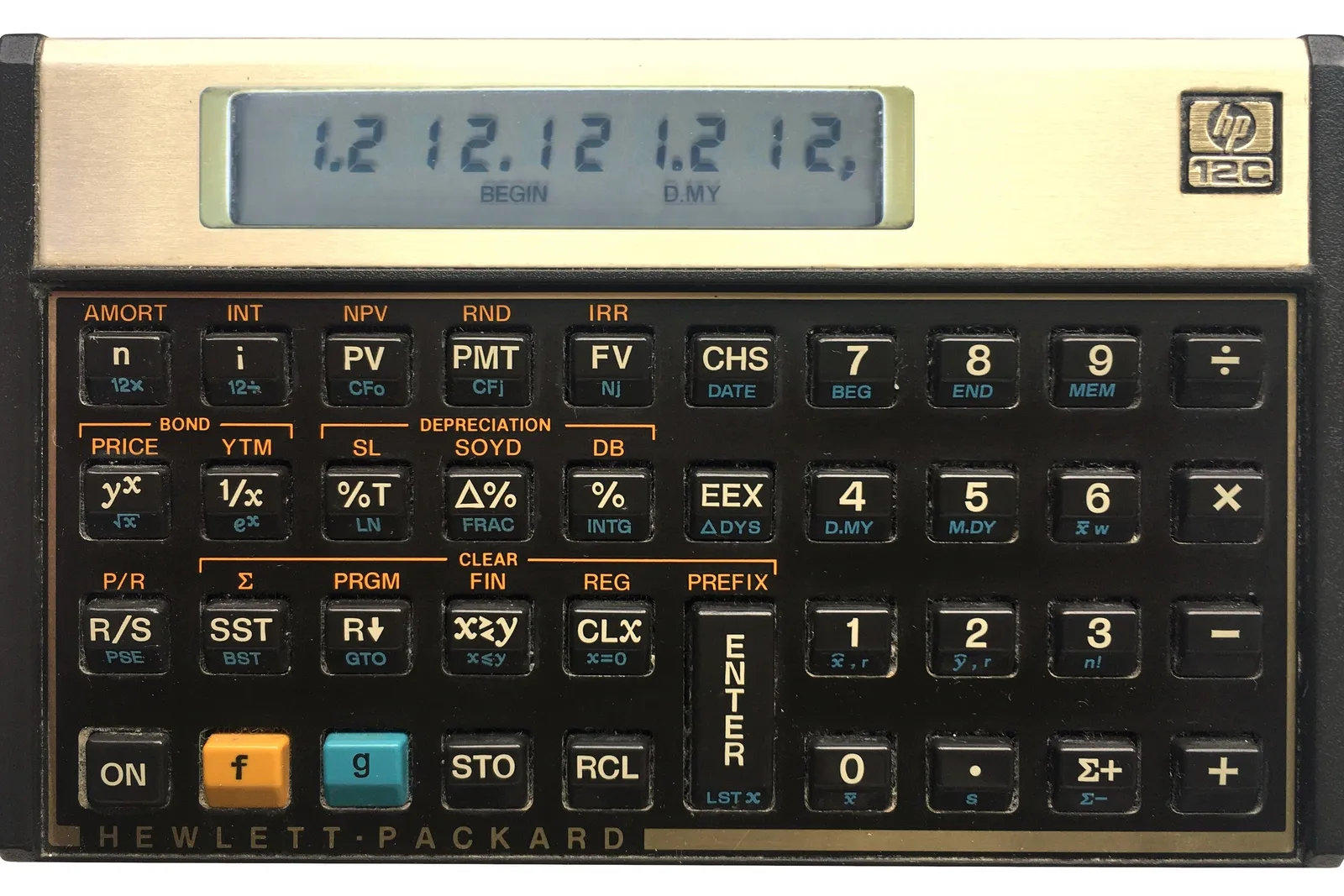
A mortgage-funded purchase needs a budget covering far more than the down payment alone — transaction costs, possible fit-out and a financial reserve. Since 1 October 2024, the BNB has applied caps to banks' housing lending to households: a loan-to-value ratio of up to 85%, a debt-service-to-income ratio of up to 50%, and a maximum term of 30 years. Planning the whole budget in advance reduces the risk of surprises later in the deal.
What the BNB caps actually mean
The BNB caps (LTV up to 85%, DSTI up to 50%, term up to 30 years) are upper limits within which banks must operate — they are not a guarantee that any given bank will approve exactly as much as the cap allows. Each bank makes its own assessment of risk, income and credit history, and some terms may be more conservative than the regulatory ceiling.
Beyond the caps themselves, it is worth bearing in mind that terms can also vary by income type (employment contract, freelance, income earned abroad) and by property type — newly built, under construction, or on the secondary market.
Bank appraisal versus agreed price
A bank's appraisal of the property acts as a constraint on the collateral: the bank applies its financing percentage (LTV) to whichever is lower — the agreed price or its own appraisal — rather than automatically to the price. A specific bank may also cap financing relative to the agreed price itself, regardless of the appraisal — the exact terms need to be confirmed with the bank for your case.
What the whole budget consists of
- Own contribution for the purchase itself — the gap between the agreed purchase price and the approved loan amount.
- Transaction costs — notary fees, registration fees, local tax and loan-related fees, which vary and should be confirmed for the specific deal.
- Possible fit-out or finishing works, if the property is not move-in ready.
- A financial reserve for unforeseen costs — technical repairs, delays in selling a current home, and similar.
Plan each of these items separately, rather than assuming the ‘down payment’ covers everything beyond the loan itself — transaction costs are the part most often underestimated.
Questions to ask the bank in advance
Before choosing a specific offer, it is useful to clarify several points with a lending adviser rather than relying only on the advertised interest rate.
- What is the difference between the nominal interest rate and the annual percentage rate of charge (APR), and exactly which fees and mandatory products are included in the APR — this needs to be confirmed specifically with the bank.
- How the property appraisal is determined and who carries it out — an independent valuer or one appointed by the bank.
- Under what circumstances the bank allows an exception to its standard caps.
- What income documentation is accepted if part of the income comes from abroad or from freelance work.
Hypothetical example of a total budget
As a hypothetical example, suppose a buyer agrees a purchase price of EUR 140,000, while the bank's appraisal of the property comes in lower, at EUR 135,000. At the maximum permitted loan-to-value of 85%, applied to the lower appraisal, the maximum loan is EUR 114,750 (85% of EUR 135,000). The own contribution for the purchase itself is the gap between the agreed price and the approved loan: 140,000 − 114,750 = EUR 25,250 — separate from transaction costs and any fit-out.
| Agreed purchase price | EUR 140,000 |
|---|---|
| Bank appraisal of the property | EUR 135,000 |
| Maximum loan at 85% LTV on the appraisal | EUR 114,750 |
| Own contribution for the purchase (price minus loan) | EUR 25,250 |
| Transaction costs (separate, not included above) | to be confirmed specifically |
If the bank appraisal matched the agreed price instead, the maximum loan at the same LTV percentage would be higher and the required own contribution lower. It is therefore important to plan with a realistic expectation for the appraisal, not just the agreed price, and to count transaction costs and any fit-out separately from the own contribution for the purchase itself.
DSTI and the monthly instalment
Beyond the down payment itself, it matters that the monthly loan instalment, combined with other ongoing commitments, stays within reasonable bounds relative to household income — that is the logic behind the 50% DSTI cap. Before you start viewing specific properties, it is worth getting an indicative view from a bank on a realistic instalment for your income.
Next step
Work out the full budget across the categories above before you start viewings, and seek pre-approval from a bank so you know your real limits. For structuring a deal and coordinating with a bank, our team can help.
Planning a purchase with a mortgage?
Send an enquiry and we will discuss how to structure your budget for buying a property.
Sources
Checked on 2026-10-01.
Related articles
Buying3 min read
Buying a flat in Sofia: checks before paying a deposit
Before paying any sum to reserve a property, check ownership, encumbrances and exactly what the contract says about refunding or forfeiting the money.
Buying4 min read
New-build property: what lies behind ‘Act 16’
‘The building has Act 16’ does not automatically mean it can be lawfully occupied — understand the difference between the protocol and the use permit.

Buying4 min read
The property market in 2026: how to read the data
National indices show a general trend, but say nothing specific about your property — here is how to read them sensibly.