
Buying4 min read
The property market in 2026: how to read the data
Author: The IM-Development team
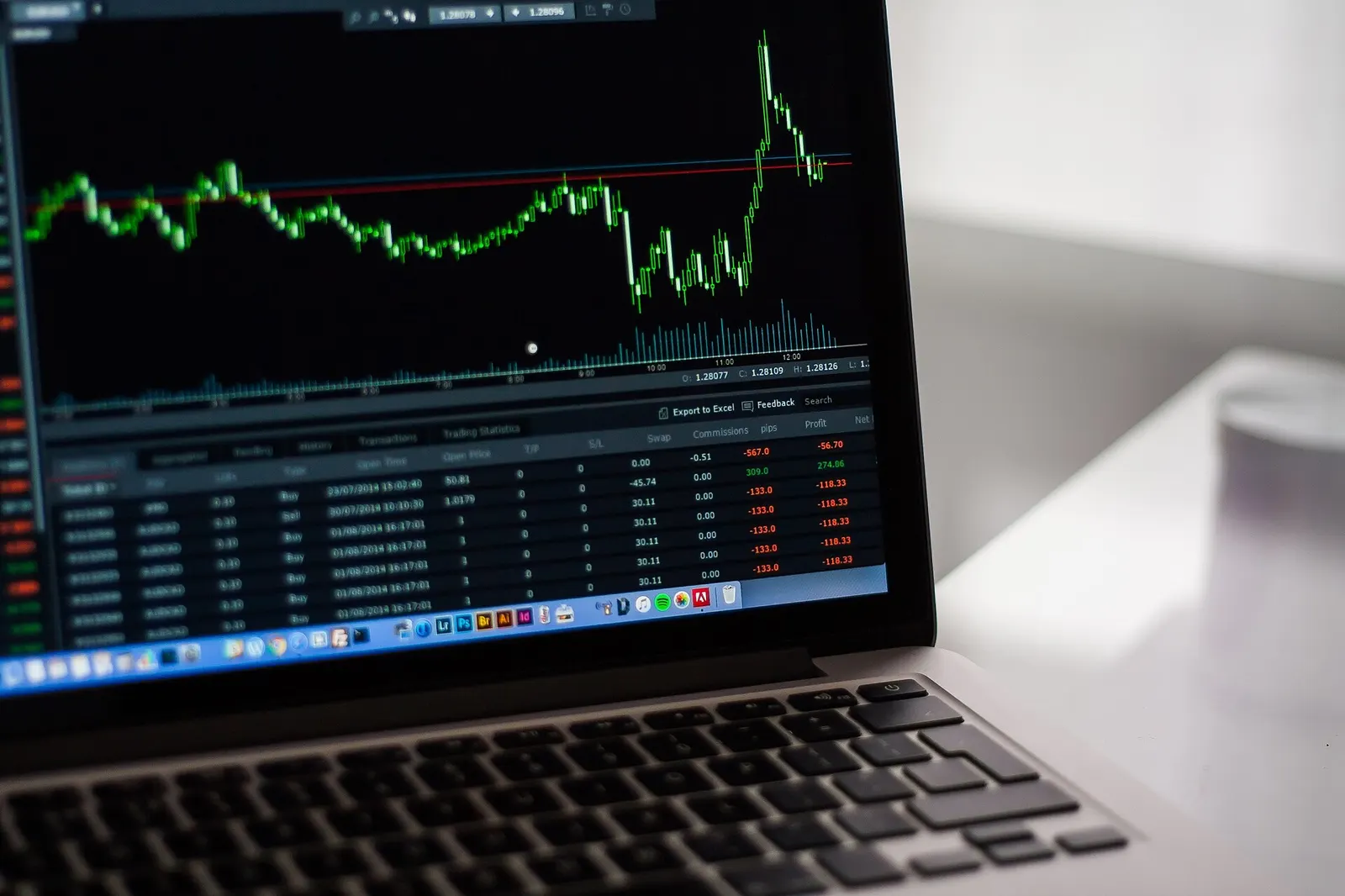
According to NSI data for the second quarter of 2026, the national house price index rose 4.5% quarter on quarter and 15.5% year on year, while Sofia's quarterly rise was 2.4%. Since 1 January 2026 Bulgaria has been in the euro area, at a fixed rate of 1.95583 BGN per euro — these two facts should be considered separately from each other.
What the NSI data actually shows
The NSI index is a national, aggregated measure, calculated under a defined methodology from registered transactions across the country. It reflects the general direction of house price movement, but is not a valuation of any individual home. The figures of 4.5% quarter on quarter and 15.5% year on year nationally, with a 2.4% quarterly rise for Sofia, describe an aggregate picture, not a guaranteed change for your specific property.
The NSI methodology pools data from the whole market — different cities, property types and price segments — so two consecutive quarters can look contradictory unless you look at a longer period and the relevant regional breakdown.
National level versus a specific property
Even against a positive national trend, a specific flat may appreciate more slowly, stay flat, or lose value — due to local factors, condition, floor, lift availability, or competition from new developments in the neighbourhood. Before basing a decision on a national index, it is worth also looking at realistic pricing for the specific property type and area.
Nominal index versus actual return
The percentage change in the price index is not the same as an investment return. The index does not account for holding costs — taxes, maintenance fees, repairs — nor, for rented property, vacancy periods. Assessing an actual return requires weighing these costs against real income, not just price movement.
The euro and the market
Since 1 January 2026, Bulgaria has used the euro at a fixed rate of 1.95583 BGN per euro. This is an administrative change of unit of account. The price statistics above, on their own, cannot establish a causal effect of the euro introduction on price movement — the percentages above come from separate NSI market data, not from an analysis of the euro's impact.
Hypothetical example of the gap between the index and a specific property
The national rise of 15.5% is a year-on-year figure, comparing Q2 2026 with the same quarter of 2025 — not with the start of 2026. As a hypothetical example, suppose a flat was valued at EUR 120,000 in Q2 2025. Applying the 15.5% year-on-year rise mechanically for the same period a year later would give a hypothetical value of about EUR 138,600. In practice, though, a specific property may not track the index exactly — for example, if the building has no lift and a new project with similar flats at a lower price has since been completed nearby, the realistic asking price might rise far less, or not at all.
| Value of the property in Q2 2025 | EUR 120,000 |
|---|---|
| Hypothetical value applying +15.5% y/y mechanically | EUR 138,600 |
| Realistic market price given local factors (hypothesis) | EUR 126,000 |
How to use this data in practice
- Use the national and Sofia-wide indices as general context, not as a direct valuation of a specific property.
- Compare asking prices of similar properties in the specific neighbourhood, not just the national trend.
- When planning a budget, remember indices do not predict future movement — they describe what has already happened.
- For questions about future market direction, do not rely on forecasts — they are not part of the official NSI statistics.
- Check the publication date of the latest NSI figures before quoting a specific percentage — the data is updated quarterly.
Next step
Treat national data as a starting point for context, and support a decision on a specific property with an on-site viewing and comparison of similar listings. Before you reach the viewing stage, it is worth settling your mortgage budget so you can compare realistic options. If you would like help assessing a specific opportunity, get in touch.
Want to know how this data relates to your situation?
Send an enquiry and we will discuss the specific property or area you are interested in.
Sources
Checked on 2026-10-01.
Related articles
Buying4 min read
Mortgage and down payment: plan the whole budget
The budget for a mortgage-funded purchase is more than the price of the flat — see what sums you actually need to have ready in advance.
Buying3 min read
Buying a flat in Sofia: checks before paying a deposit
Before paying any sum to reserve a property, check ownership, encumbrances and exactly what the contract says about refunding or forfeiting the money.
Investment3 min read
Apartment, house or land: comparing three different investments
Apartments, houses and plots carry different risk, liquidity and timelines. Comparing them needs shared criteria, not just price.