
Renovation and building3 min read
Bill of quantities: what it should include
Author: The IM-Development team
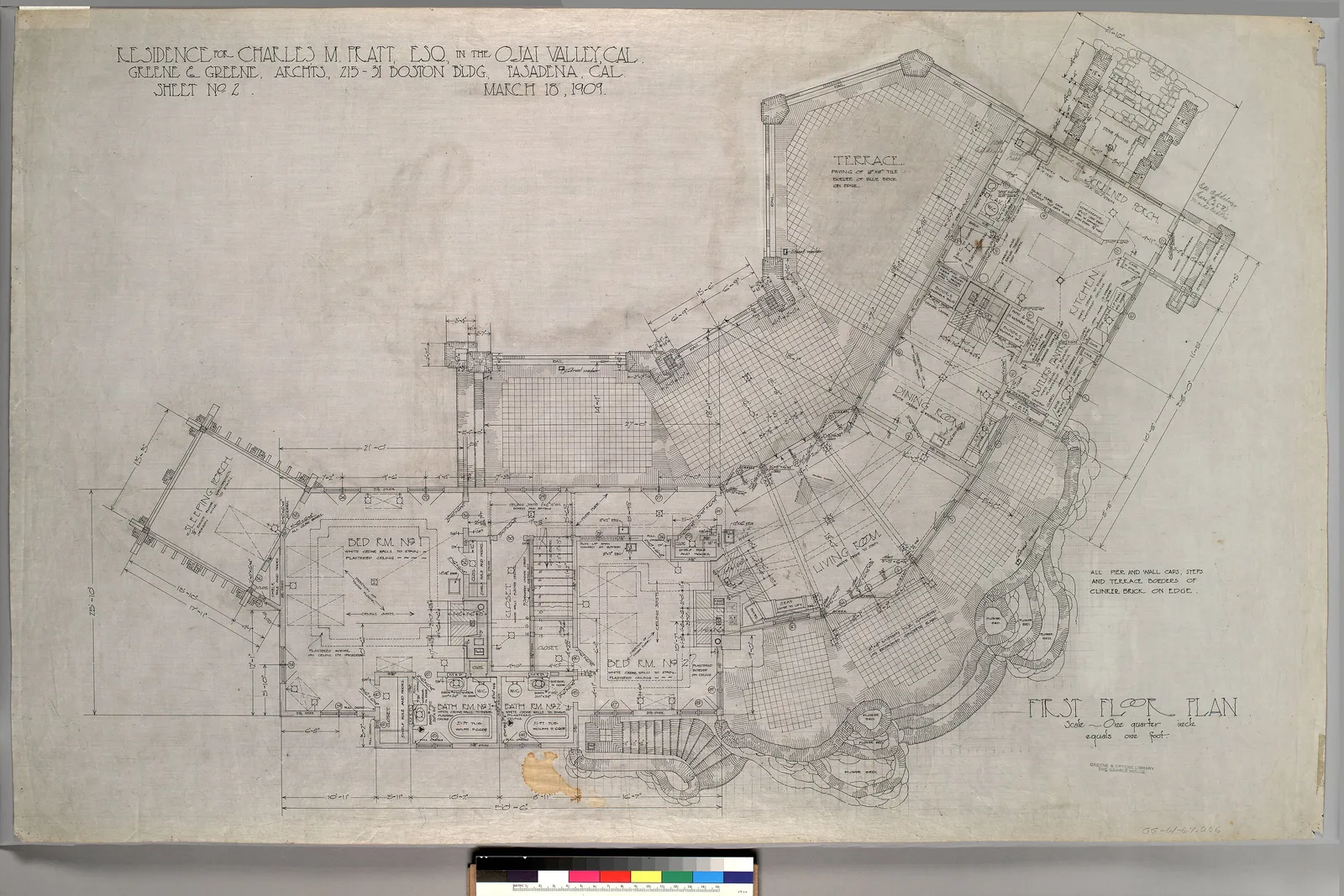
A bill of quantities (BoQ, known in Bulgarian as KSS) breaks every activity in a renovation or build into a line item, a quantity, a unit of measurement, and a unit price. It is not a legal template, but a working tool that makes quotes comparable and gives a basis for control if the scope of work changes during execution.
Why a BoQ beats a lump-sum quote
A lump sum for 'renovating an apartment' says nothing about what is actually included. A BoQ breaks the project into specific items — for example, '18 sq. m bathroom wall tiling', 'rewiring, 6 rooms' — and states a quantity and price for each. That way both sides know exactly what is being paid for and what is expected to be delivered.
This is the basis for a fair comparison of quotes from different contractors, because it shows where a difference comes from quantity, where from material, and where from labour.
A practical structure
A good BoQ is usually organised by room or by type of activity (demolition, masonry, installations, finishing works) and contains the following columns for each item.
- Item number and a short description.
- Unit of measurement (sq. m, linear m, unit, set).
- Quantity.
- Unit price for labour and for material (separated where possible).
- Total value of the item.
- A note on material specification, where applicable.
A grand total is added at the end, along with a separate contingency as a percentage, if the contractor and client have agreed on such a reserve.
Controlling scope changes
Renovations rarely go exactly to the original plan — the client changes a tile choice, or breaking into a wall reveals a problem that was not visible before. This is exactly where a BoQ helps: every change from the original sheet can be described as a new or revised item with a clear quantity and price, rather than being added as a vague lump sum at the end.
- Every change is recorded in writing, referencing the relevant BoQ item number.
- The new price is agreed before the work is done, not after the fact.
- Copies of the original and updated versions are both kept.
A hypothetical example of a changed item
| Original item: bathroom tiling, 18 sq. m x €25/sq. m | €450 |
|---|---|
| Change: larger-format tiles, 18 sq. m x €32/sq. m | €576 |
| Difference added to the total | +€126 |
In this hypothetical example, the change is traceable — it is clear exactly where the difference comes from, rather than appearing as an unexplained addition on the final invoice.
What a BoQ is not
A BoQ is not a standardised legal document and there is no fixed statutory form for private renovation work — the structure described here is a practical recommendation, not a template to replace a contract. On larger projects, the works contract itself and the handover protocols remain the main legal instruments, with the BoQ serving as an attachment to them.
Specific questions to ask the contractor
Before accepting a BoQ as the basis for a contract, it is worth asking a few direct questions that show whether the contractor has calculated the real volume of work, rather than putting in an approximate lump figure.
- Do the quantities reflect an actual on-site survey, or are they based on design area without verification?
- Are unit prices fixed for the whole duration of the project, or can they change if material costs rise?
- What happens to an item if the real quantity turns out different from the one stated — for example, an uneven floor requiring more screed?
Using a BoQ in practice
Ask the contractor for a BoQ at the quote stage, not after signing a contract. If the contractor is not used to producing one, you can structure it together along the lines above — this reduces the risk of disputes later, especially alongside the conversation on choosing a building contractor and advance payment terms.
Need help structuring a bill of quantities?
We can review an existing bill of quantities, or help one be drawn up correctly before you sign a contract.
Related articles
Renovation and building3 min read
Renovation budget: how to compare quotes
Compare quotes line by line, not by the total figure — the differences usually lie in scope, not price.
Renovation and building3 min read
Choosing a building contractor: questions before an advance
An advance payment is normal practice, but it needs clear rules — otherwise the risk sits entirely on your side.
Renovation and building4 min read
Renovate before selling, or sell as-is?
The decision depends on your budget, the time you have, and the risk of not recovering what you spend — not on general rules.