
Renovation and building4 min read
Renovate before selling, or sell as-is?
Author: The IM-Development team
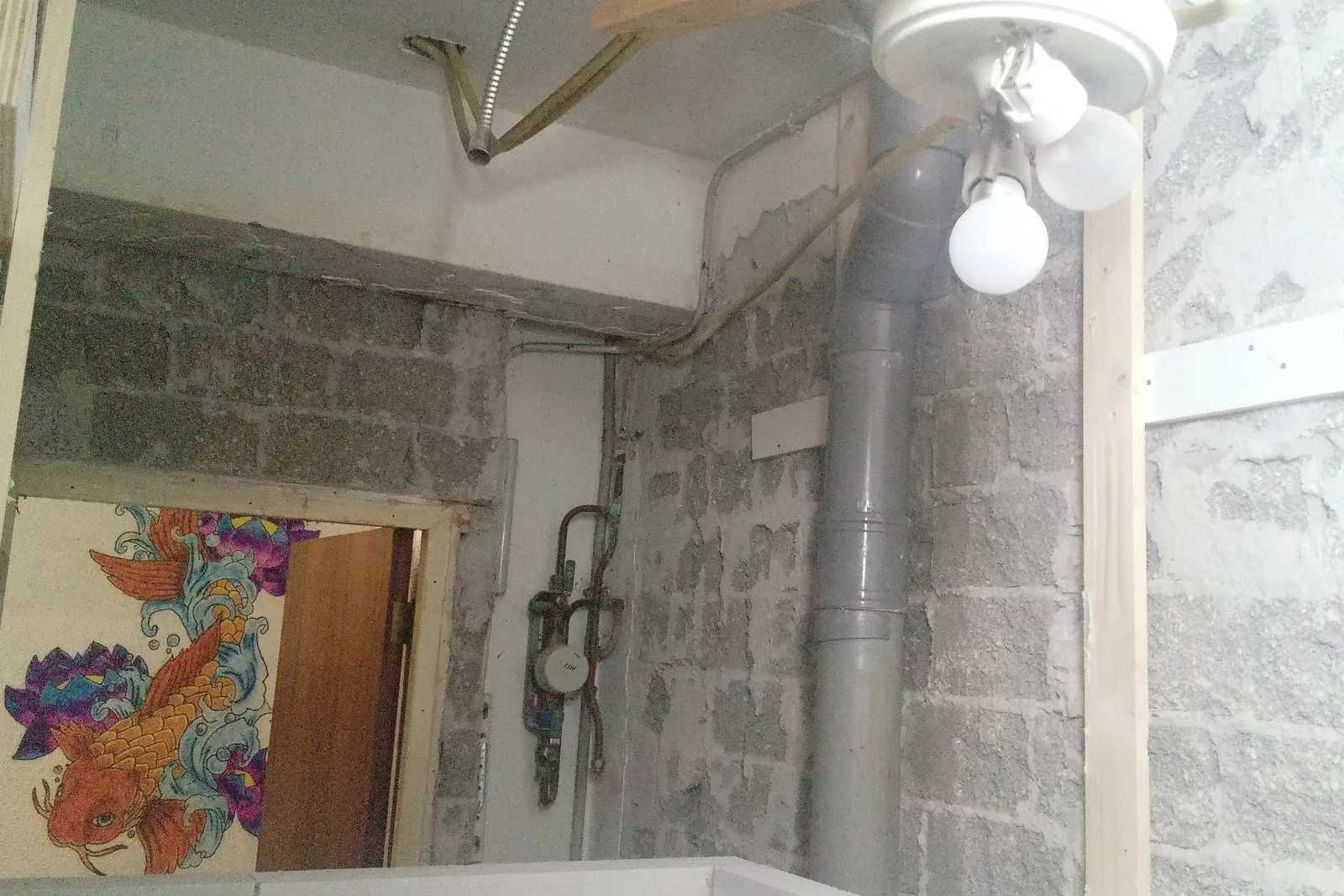
There is no universal answer on whether to renovate before selling. The decision comes down to three things: available budget, how much time you can wait, and how likely the renovation is to affect the achieved price or the speed of the sale. A sound approach is to compare the scenarios on paper before spending anything.
Cosmetic refresh versus a real renovation
It helps to separate two different things first. A cosmetic refresh — paint, deep cleaning, small repairs, decluttering — is cheap, quick, and almost always worthwhile, because it makes the property more presentable at viewings. A real renovation — replacing a bathroom, kitchen, or wiring and plumbing, changing flooring — is expensive, takes weeks to months, and carries a real risk of not being fully recovered in the price.
The closer a renovation gets to structural or hidden elements (wiring, pipes, waterproofing), the harder it is to estimate in advance how much it will cost and whether a buyer will even perceive the difference compared with simply discounting the price.
The three factors behind the decision
Budget: do you have cash available, or would the renovation need a loan that weighs on the deal. Time: can you wait for the renovation to finish, or does the property need to go on the market now. Risk: how confident are you that the specific improvements will appeal to the typical buyer for this property, not just to you.
- If the budget is limited — prioritise only a cosmetic refresh and small repairs.
- If time is critical — selling as-is with a correctly reflected price is often faster.
- If the risk of not recovering the spend is high (non-standard choices, high-end materials for a mass-market property) — a full renovation rarely pays off.
A hypothetical break-even example
As a hypothetical example, suppose an apartment would sell as-is for €95,000. The owner is considering a renovation costing €8,000 (bathroom and painting), expecting a higher price. For this to be worthwhile, the renovation must bring in at least what was spent, plus the time lost waiting and any loan interest if one is used.
| As-is price | €95,000 |
|---|---|
| Renovation cost | €8,000 |
| Minimum post-renovation price to break even | €103,000 |
| Realistic additional premium (hypothetical) | €5,000 |
| Net result versus selling as-is | -€3,000 (loss) |
In this hypothetical scenario, the renovation does not fully pay off — the price difference does not cover the cost, let alone the time. The lesson is not that renovation is always a mistake, but that the sums should be done with specific figures, not assumed ones.
What shapes the outcome in each specific case
The market segment matters — in higher price brackets the gap between a renovated and an unrenovated property usually carries more weight than in a more affordable one. The condition of the building, the floor, and the location also frame what a buyer expects as standard and how much they are willing to pay extra for it.
What changes by property type
For an apartment in a panel or brick block, buyers usually compare directly with other listings in the same building or area, so a cosmetic refresh is often enough to stop the property looking worse than the competition. For a house with a garden the decision is more complex, because besides the interior, the façade, roof, and garden are also assessed — elements that are hard to 'hide' with paint alone and can weigh more heavily during viewings.
For a property intended mainly for renting out rather than selling, the calculation differs — there the renovation is compared against the expected rental yield rather than just the sale price, so the horizon for recovering the investment can be longer.
The decision: what to do next
Do a short calculation like the example above with your own, not hypothetical, figures: a current valuation of the property, an actual renovation quote, and a reasonable estimate of how much more a buyer would pay. If the gap is small or uncertain, a cosmetic refresh is often the safer choice. More guidance on preparation itself is in preparing a property for sale.
Need an assessment for your property?
We can view the property and discuss realistically whether a pre-sale renovation would pay off in your case.
Related articles

Selling3 min read
Preparing a property for sale: what is worth improving
Not every pre-sale improvement pays off. Here is what is genuinely worth prioritising depending on the type of property.
Investment3 min read
How to assess a property's potential for improvement
Assessing improvement potential needs a full calculation — price, works, duration, selling costs and a reserve, not just a target sale price.
Renovation and building3 min read
Renovation budget: how to compare quotes
Compare quotes line by line, not by the total figure — the differences usually lie in scope, not price.