
Renovation and building3 min read
Choosing a building contractor: questions before an advance
Author: The IM-Development team
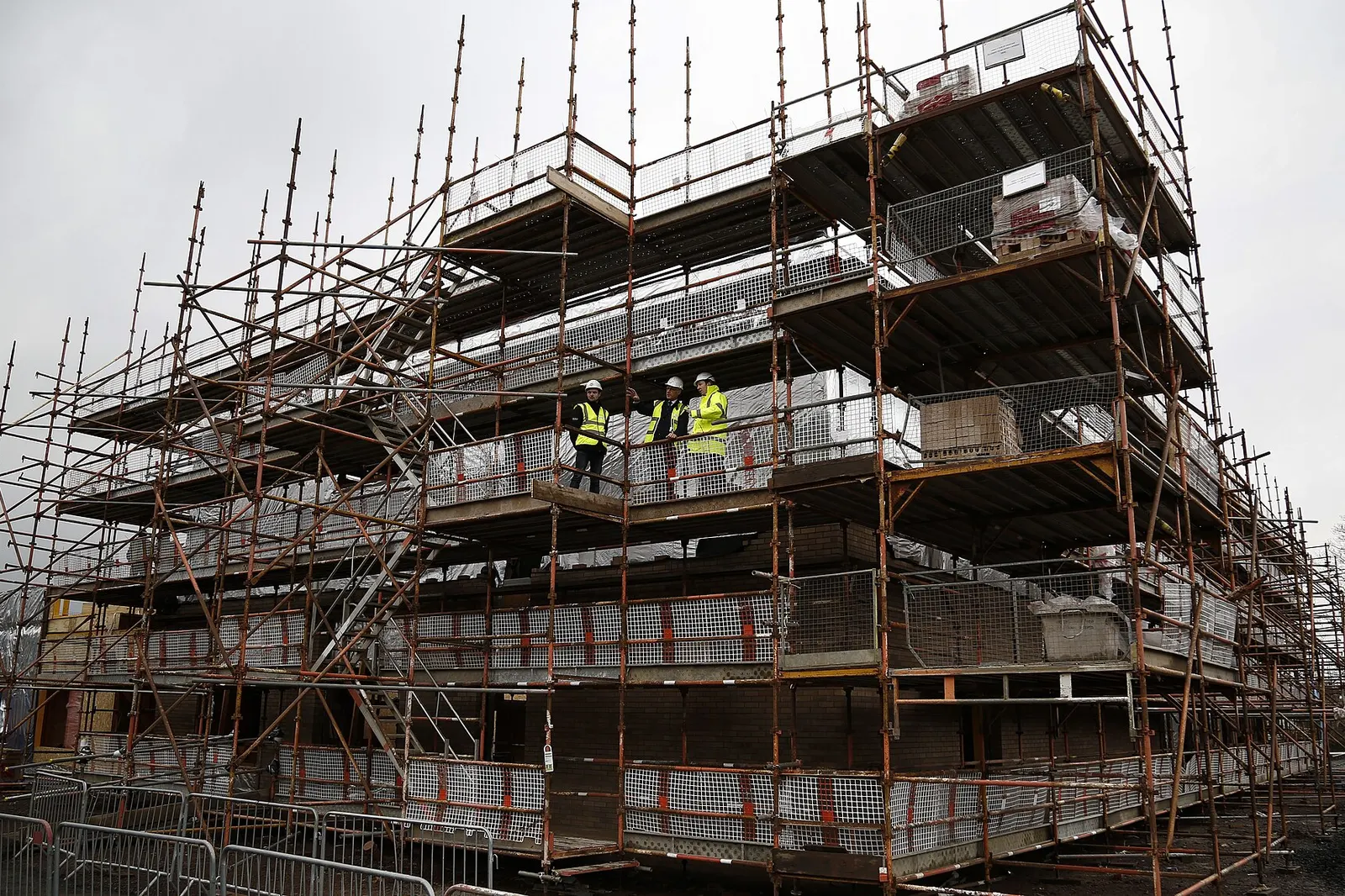
Before paying a contractor an advance, it is sensible to clarify at least four things: what exactly the quote covers, how the work will be accepted in stages, what documentation you will receive, and how you can check who stands behind the company or crew. Skipping these steps is one of the most common causes of later disputes, whether the job is a small refresh or a larger project.
Scope and the size of the advance
An advance usually covers initial costs for materials and mobilisation, but it should not represent a large share of the total before the corresponding work is done. Ask for the advance to be tied to a specific stage in the bill of quantities, rather than being a fixed 'starting' sum. The larger the advance relative to the total value, the more risk you carry if the contractor stops work or disappears before finishing what was agreed.
- What exactly the advance covers — materials, labour, or both.
- What percentage of the total it represents.
- What happens to the advance if work does not start on time.
Staged acceptance of the work
Rather than one payment at the start and one at the end, a safer approach is for payments to follow completed and accepted stages — for example, after demolition, after masonry and plastering, after installations, after finishing works. Each stage is accepted with a short protocol before the next payment follows.
- Define in advance what 'completed stage' means for each phase.
- Sign a short handover protocol at each stage.
- Record any snags and a deadline for fixing them before paying the remainder for that stage.
What documentation to require
The minimum is a written contract describing the scope (or referencing the bill of quantities), timeline, price, and payment terms, together with the company or individual contractor's details. Keep all invoices and receipts for materials and labour — they are the basis for any dispute or warranty claim against the contractor.
How to reasonably check references
Ask for addresses or photos of previous projects the contractor has completed and, if possible, contact details for a past client, so you can ask directly how the work went, whether deadlines were met, and whether any warranty issues arose afterwards. Also check publicly available information about the company — its existence, address, and length of operation.
- Ask for at least one real example of a completed project, not just photos without context.
- Ask directly about delays or problems on previous projects.
- Do not rely solely on verbal recommendations you cannot verify.
A hypothetical example of a payment structure
| Advance at start | €2,000 (20%) |
|---|---|
| After demolition and masonry | €3,000 (30%) |
| After installations | €3,000 (30%) |
| On handover | €2,000 (20%) |
In this hypothetical example, the advance is limited, and most of the sum is tied to visible progress on site.
Warning signs worth noticing
Some behaviours during negotiations are worth noting early, before any advance is paid. Individually they are not necessarily a problem, but together they usually point to higher risk.
- Insists on an advance larger than usual practice without explaining why.
- Avoids leaving a written quote or contract, saying 'we'll sort that out later'.
- Has no address, registration, or verifiable trading history.
- Quotes a price substantially lower than other offers with no clear explanation of the difference.
Before you sign
Get the answers to the questions above in writing, not just verbally, before paying anything. If a contractor refuses to discuss staged payment or documentation, that is a signal to look elsewhere, no matter how good the quote looks on paper.
Need help choosing a contractor?
We can review a quote and the terms of a proposed contract before you pay an advance.
Related articles
Renovation and building3 min read
Bill of quantities: what it should include
A bill of quantities is a working tool for controlling scope and cost, not a formal document to sign and file away.
Renovation and building3 min read
Renovation budget: how to compare quotes
Compare quotes line by line, not by the total figure — the differences usually lie in scope, not price.
Renovation and building4 min read
A house on your own plot: what to check before the design stage
Before commissioning an architectural design, you need to know what the plot actually allows — not just that it's yours.