
Land and plots4 min read
A plot without electricity and water: what to clarify first
Author: The IM-Development team · Updated
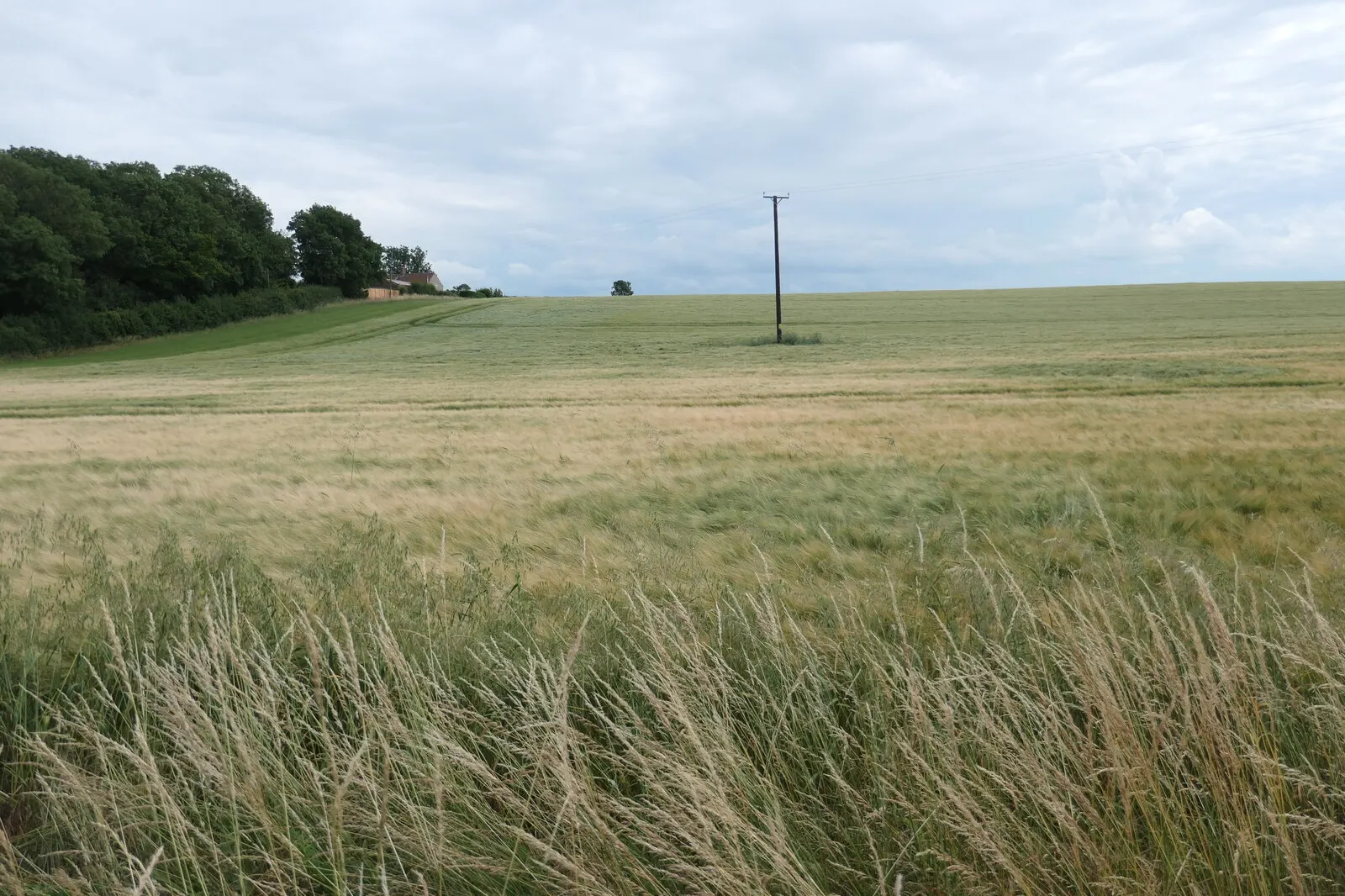
If a plot has no existing electricity or water connection, a verbal assurance that 'there's a network nearby' isn't a sound basis for a decision. You need written answers from the relevant utility companies on actual available capacity, the connection route, and the expected order of costs. Without that, you risk buying a plot where connection takes far more time and money than you assumed.
'There's a network nearby' doesn't mean 'you can connect'
The presence of an electricity pole or a water main next to the plot doesn't automatically guarantee a right to connect. The existing network may have no spare capacity in that specific section, may require third-party consent to run a route across other plots, or may fall under extra technical conditions. That's why 'nearby' should always be verified, not taken on trust from a seller or a listing.
What written confirmation to request
- Confirmation from the electricity distribution company of available capacity in the section and the connection conditions
- Confirmation from the water utility of existing water supply and sewerage at or near the plot
- Information on the specific route the connection would follow — whether it crosses other plots
- An indicative order of cost and procedure, clearly marked as preliminary rather than a final offer
These documents are usually obtained through a formal request to the relevant company for the specific plot — a general enquiry about the area isn't enough.
Does the route cross someone else's land
Even if the network has capacity, connecting may require building a route across a neighbouring plot, which in turn needs that owner's consent and the creation of an easement. This is a separate, additional process that needs to be clarified beforehand, not after the purchase.
Where to start and which documents to prepare
For a site served by ERM Zapad, the first step is an application for a connection conditions study, not simply opening a customer account. The operator requires the exact address, intended use, required power, number of phases and other technical information in the current form. Attachments depend on the form and the particular site — use the current template rather than a universal checklist.
For water, first establish which utility serves the exact address. Sofia Province and Sofia Municipality are not the same service territory. Submit a written request for initial data and connection conditions to the property's operator. Prepare the title deed or relevant property right and any available cadastral sketch/design visa; confirm the required attachments with the operator. A prospective buyer should clarify with the owner who is entitled to apply.
How much does it cost and how long does it take?
There is no reliable universal cost or timeframe based only on a photograph and address. ERM Zapad's study is a paid service under its price list; a study, connection agreement and actual power supply are different stages. Request the applicable price, scope and timeframe for each stage in writing, including validity conditions and the applicant's responsibilities.
Distance, required power or water quantity, network capacity, the route, necessary designs and approvals determine what is needed. EWRC distinguishes administrative water fees from construction work; do not treat an application fee as the total budget. Request a breakdown of who builds and pays for each part, particularly where new street infrastructure is required. A deadline for a statement is not a promise of a completed connection date.
Common mistakes when assessing infrastructure
Buyers often rely on a photo from the viewing, the listing, or a neighbour's word instead of an official document — and the visual presence of a pole or a manhole says nothing about spare capacity in the section. Another common mistake is to treat an indicative connection quote as the final price and leave no margin in the budget for additional requirements that only emerge once detailed design work begins.
- Relying on a visual impression instead of a written answer from the utility
- Treating a preliminary connection quote as the final price
- Overlooking who owns the route and whether it crosses someone else's plot
- Leaving no budget margin for additional technical requirements
Connection to the access question
Infrastructure often goes hand in hand with the question of physical and legal access to the plot — see access to a plot. In both cases the same rule applies: a map or a general impression is no substitute for written confirmation from the competent authority.
Before you decide
If a seller cannot or will not provide written answers from the utility companies, that in itself is a signal to budget extra time and money into the scenario rather than assume the most optimistic case. A purchase decision is on firmer ground when it rests on a document rather than a verbal assurance.
Compare current plots in Sofia Province, but check electricity and water separately for every property. For a preliminary review, send the address or cadastral identifier, available documents and intended use through plot feasibility.
Looking at a plot without existing utilities?
Send us the details and we'll help clarify the real conditions for connecting to electricity and water.
Sources
- ERM Zapad — connecting consumption sites
- ERM Zapad — service application forms
- EWRC — water connection questions and answers
- Ministry of Economy — connection to water supply networks
Checked on 2026-11-12.
Related articles
Land and plots4 min read
Buying a plot near Sofia: 10 checks before you decide
A concise, practical checklist of what to verify before committing to a plot near Sofia.
Land and plots4 min read
Access to a plot: why the road on the map isn't enough
Why a road shown on the map is not sufficient proof of access to a plot — and what to check instead.
Land and plots4 min read
A plot in Hrabarsko and Bozhurishte: checking this specific property
Practical guidance for checking a specific plot in Hrabarsko or Bozhurishte, which falls under its own separate municipality.